In today’s digital world, learning martial arts is no longer limited to physical dojos. With the rise of online courses, live classes, and recorded tutorials, many beginners are confused:
👉 Should you train online or join an offline academy?
Both methods have their advantages and limitations. The right choice depends on your goals, budget, schedule, and learning style.
In this detailed guide, we’ll break down online vs offline martial arts training, compare them across key factors, and help you decide which is best for you.
What is Online Martial Arts Training?

Online martial arts training involves learning through:
- Pre-recorded video courses
- Live Zoom or webinar sessions
- Mobile apps and memberships
- YouTube tutorials
✅ Key Features:
- Learn anytime, anywhere
- Self-paced training
- Affordable or even free options
What is Offline Martial Arts Training?
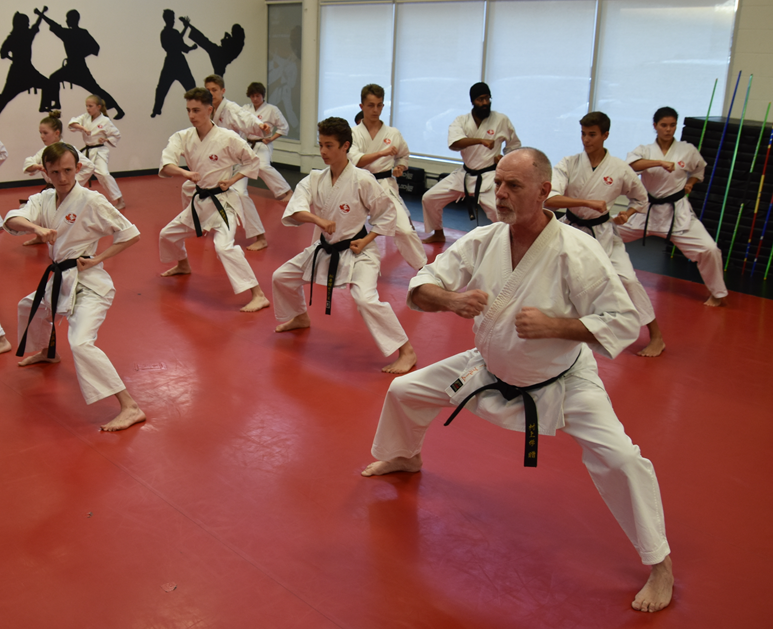
Offline training happens in a physical academy or dojo where you:
- Train under a professional coach
- Practice with partners
- Get real-time feedback
Online vs Offline Martial Arts Training
| 🔍 Factor | 🌐 Online Training | 🏫 Offline Training | 🏆 Winner |
|---|---|---|---|
| Learning Experience | Self-paced, repeat anytime, no live correction | Real-time coaching, instant feedback | 🏫 Offline |
| Flexibility | Train anytime, anywhere | Fixed schedule, travel required | 🌐 Online |
| Cost | Low-cost or free options | Monthly fees + extra expenses | 🌐 Online |
| Practical Skills | Limited real-world application | Live sparring & real combat training | 🏫 Offline |
| Discipline | Requires self-motivation | Structured environment builds discipline | 🏫 Offline |
| Safety | Safer (solo), but risk of wrong technique | Supervised training reduces mistakes | 🏫 Offline |
| Accessibility | Available anywhere globally | Limited to location | 🌐 Online |
| Speed of Progress | Slower without guidance | Faster with coach support | 🏫 Offline |
| Personal Attention | Limited or none | Direct trainer interaction | 🏫 Offline |
| Confidence Building | Moderate (solo practice) | High (real interaction & sparring) | 🏫 Offline |
Which One is Better for You?
✅ Choose Online Martial Arts Training If:
- You have a busy schedule
- You prefer learning at your own pace
- You are a beginner exploring basics
- You want a low-cost option
👉 Perfect for: Home learners, working professionals, beginners
✅ Choose Offline Martial Arts Training If:
- You want real fighting skills
- You need discipline and structure
- You prefer hands-on coaching
- You want to compete professionally
👉 Perfect for: Serious learners, fighters, competitors
Best Option: Hybrid Training (Online + Offline)
The smartest approach is to combine both.
💡 Example:
- Learn techniques online
- Practice and spar offline
👉 This gives you:
✔ Flexibility
✔ Expert guidance
✔ Faster progress
Real-Life Scenario Example
Imagine two students:
Student A (Online Only):
- Knows many techniques
- Good at shadow practice
- Struggles in real fight
Student B (Offline Only):
- Strong in sparring
- Limited exposure to diverse techniques
👉 Hybrid Student (Best):
- Learns online + practices offline
- Becomes well-rounded fighter
⚠️ Common Mistakes to Avoid
❌ Learning advanced moves without basics
❌ Ignoring proper form
❌ Not practicing regularly
❌ Depending only on videos without application
Tips to Succeed in Martial Arts Training
- Train consistently (at least 4–5 days/week)
- Focus on fundamentals
- Record your practice
- Stay physically fit
- Learn from mistakes
Future of Martial Arts Training
With technology growing, online training is becoming more advanced with:
- AI coaching
- Virtual reality training
- Interactive live sessions
👉 But one thing will never change:
Real combat skills require real practice.
Final Verdict
👉 Online Training: Best for flexibility and learning basics
👉 Offline Training: Best for real skills and discipline
Final Answer:
Offline training is better for mastery, but online training is perfect for accessibility and convenience.
👉 The ultimate winner?
A combination of both (Hybrid Training).